Exploring how cultural beliefs shape gambling behaviors across the globe
Exploring how cultural beliefs shape gambling behaviors across the globe
The Historical Context of Gambling in Different Cultures
The history of gambling spans centuries and varies widely across cultures. In many societies, games of chance have been part of religious and social rituals. For example, in ancient Rome, dice games were played during festivals, reflecting both entertainment and a belief in fate. Meanwhile, in China, gambling has roots in the Han Dynasty, where it was used as a means of raising funds for public works. These historical practices have shaped contemporary views on gambling, often intertwining it with national identity and cultural pride. As players take part in various games, they may encounter platforms like aviator india, where modern interpretations of these time-honored traditions continue to evolve.
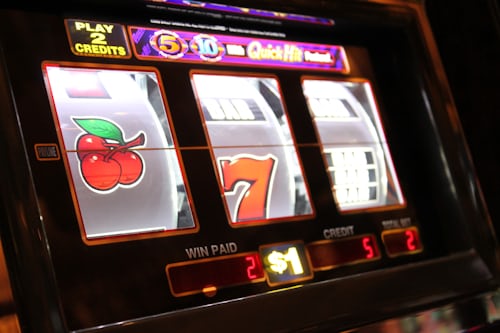
Understanding the historical significance of gambling can help explain why it holds a different place in societies. In some cultures, it is seen as a harmless pastime, while in others, it is viewed as a moral failing or a threat to social order. The historical narratives surrounding gambling contribute to current attitudes, influencing legislation, public opinion, and participation rates. Thus, a society’s historical context serves as a foundation for its gambling culture, affecting both individuals and communities.
As countries evolve, their relationship with gambling also changes. For instance, in places like Las Vegas, gambling is synonymous with entertainment and tourism, while in countries with strict regulations, it may be stigmatized. This duality demonstrates how history shapes not just the practice of gambling, but the cultural lens through which it is viewed, encouraging us to reflect on how past beliefs continue to influence modern behaviors.
Cultural Beliefs and Superstitions Surrounding Gambling
Cultural beliefs heavily influence the practices and superstitions that surround gambling. In many cultures, luck and fortune are intricately tied to traditional beliefs, leading to various rituals and taboos. For instance, in Japan, some players may avoid certain numbers or colors believed to bring bad luck, while in Western cultures, a four-leaf clover or a rabbit’s foot might be seen as symbols of good fortune. These beliefs shape not only personal behaviors but also the collective gambling environment.
Moreover, the existence of cultural superstitions can enhance the emotional engagement of players. They may engage in specific behaviors, such as wearing lucky clothing or invoking certain phrases before making a bet. These rituals can instill a sense of control and comfort, even in a game dominated by chance. The psychological aspect of gambling is thus magnified by cultural beliefs, impacting decision-making processes and risk assessment in gambling scenarios.
The interplay of culture and superstition reveals the deeper layers of gambling behavior. When individuals participate in gambling activities, they are not merely engaging with games of chance; they are also navigating a web of cultural narratives that can significantly influence their behavior and choices. This cultural dimension of gambling offers an insightful perspective on how beliefs can sway both participation levels and attitudes towards winning and losing.
The Role of Religion in Shaping Gambling Attitudes
Religion often plays a pivotal role in shaping cultural attitudes toward gambling. In certain religious traditions, gambling is outright prohibited. For example, Islamic teachings strongly discourage gambling, associating it with sinful behavior and moral decay. Consequently, in predominantly Muslim countries, gambling is either illegal or highly restricted, leading to a culture where alternative forms of entertainment are emphasized. Conversely, in cultures where gambling is more accepted, religious perspectives may influence the types of games played or the settings in which gambling occurs.
Different religions may also have unique interpretations of luck and fate, which can further influence gambling behavior. In many Christian cultures, the notion of providence may lead some to view gambling as a test of faith or an opportunity for divine intervention. Such interpretations can create a diverse array of perspectives within the same geographic region, resulting in a complex tapestry of gambling behaviors that reflect varying religious beliefs.
Furthermore, the intersection of religion and gambling can result in community responses that either support or condemn gambling activities. Religious leaders may actively engage in public discourse about gambling, influencing societal norms and individual behaviors. In regions where gambling is encouraged, community events may revolve around games of chance, thereby weaving gambling into the social fabric. This shows how religion not only shapes individual beliefs but can also foster communal attitudes toward gambling.
Economic Factors and Cultural Influences on Gambling
The economic landscape of a region significantly affects gambling behaviors, often shaped by cultural factors. In wealthier nations, gambling may be viewed as a form of entertainment, with casinos and gaming establishments thriving as tourist attractions. Conversely, in poorer regions, gambling may be seen as a desperate means of income. Cultural beliefs surrounding economic success can therefore influence whether gambling is perceived as a recreational activity or a necessary pursuit for survival.
The relationship between economic conditions and cultural beliefs creates a unique gambling ecosystem. In affluent societies, there is often greater access to high-stakes games, attracting players looking for thrills and larger payouts. In contrast, in regions struggling economically, the focus may shift to lower-stakes gambling options, which can still hold significant cultural meaning and social value. This economic disparity highlights how cultural context can drive different gambling behaviors and experiences.
Moreover, economic pressures can lead to the emergence of informal gambling networks, particularly in cultures where formal options are limited or restricted. These informal settings may be influenced by local customs and traditions, thus blending economic necessity with cultural heritage. As such, understanding the economic factors at play helps illuminate the broader context in which gambling behaviors develop, revealing the intricate links between culture, economy, and gambling practices.

Exploring the Aviator Game: A Cultural Phenomenon in Online Gambling
The Aviator Game, developed by Spribe, has become a sensation in the world of online gambling, showcasing how cultural beliefs continue to shape gambling behaviors even in the digital realm. The game’s mechanics appeal to a wide audience, combining simple controls with the thrill of high multipliers. This blend has attracted players from diverse backgrounds, reflecting how online platforms can transcend geographical and cultural boundaries while retaining unique local flavors in gameplay.
The game’s interface is user-friendly, appealing to both seasoned gamblers and newcomers. It integrates elements of social interaction, allowing players to engage with a vibrant community through in-game chat. This communal aspect reflects cultural beliefs about gambling as a social experience, further enhancing player engagement. The inclusion of community features illustrates how modern gambling games have adapted to cultural expectations and social dynamics, creating a unique experience that resonates with various audiences.
As players around the globe continue to flock to the Aviator Game, it underscores the evolving nature of gambling behaviors influenced by technology and culture. The game serves as a case study for understanding how cultural beliefs shape not only individual experiences but also collective gaming trends in the online landscape. It offers a glimpse into the future of gambling, where cultural nuances will likely continue to play a crucial role in shaping behaviors, preferences, and innovations in the gaming industry.